Why Commercial Backup Power Systems Fall Short
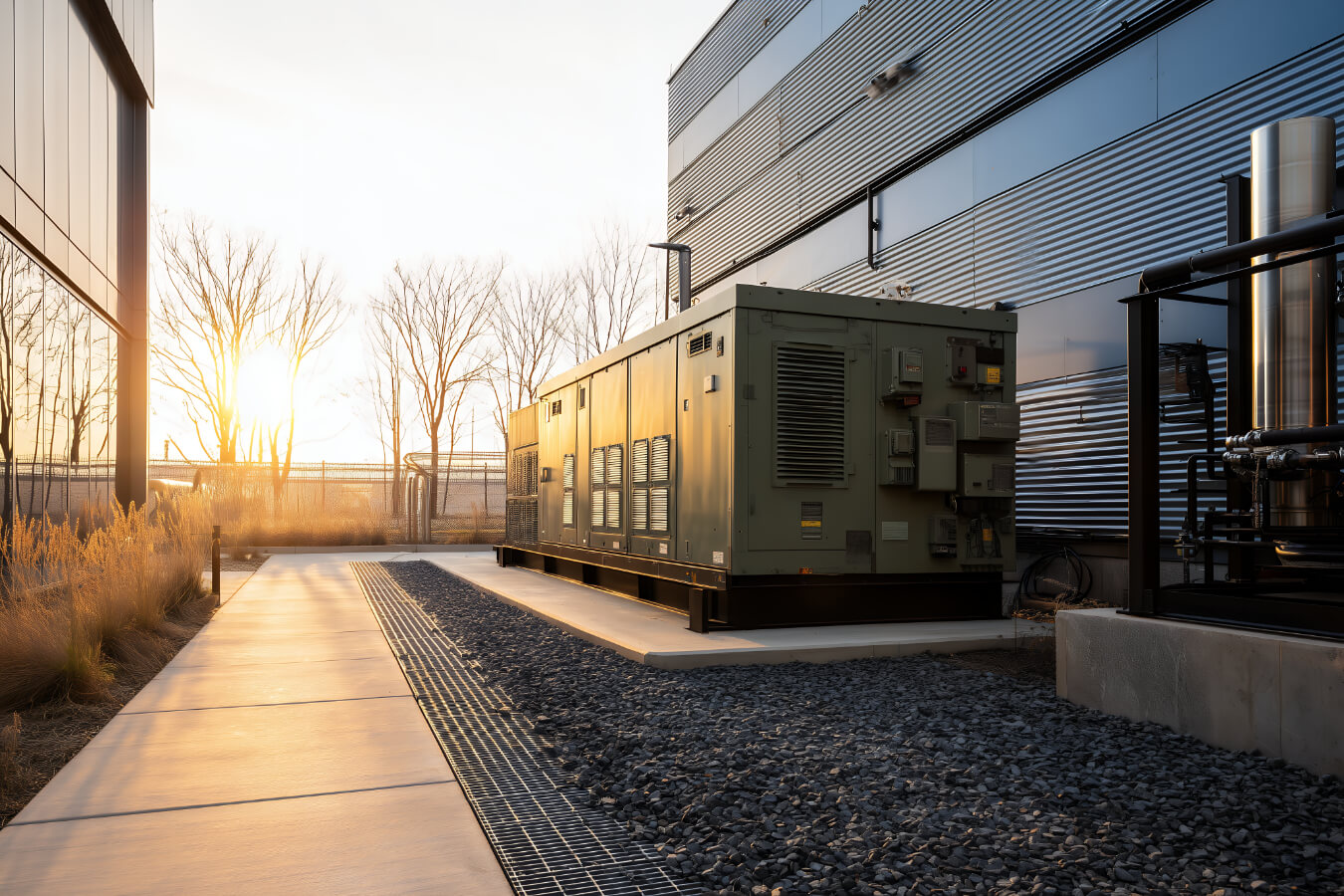
Most backup power failures in the Midlands don't happen on a calm spring afternoon. They happen during a July heat wave, a tropical storm that knocks out lines across Richland and Lexington counties, or a winter ice event that keeps crews busy for days. That's exactly when a generator, transfer switch, or battery system has to work, and exactly when small weaknesses show up.
If your Columbia facility depends on backup power for production, refrigeration, patient care, data, or building safety, the question isn't whether you own a generator. It's whether the whole system will carry your loads for as long as the outage lasts.
Below are the reasons commercial backup power falls short, and what facility managers in Columbia and the surrounding Midlands can do about each one.
1. The system is treated as "just the generator"
A generator is one part of a chain. Power reaches your critical loads only if every link works:
- Starting batteries and the battery charger
- Fuel in the tank, and fuel that actually reaches the engine
- Cooling and ventilation
- Engine controls and sensors
- The automatic transfer switch (ATS)
- Breakers, switchgear, and distribution
- Load sequencing and your own operating procedures
We regularly see generators that start fine but never pick up the building because the ATS, a breaker, or a control setting fails. Maintenance should cover the full chain, not only the engine.
2. Weak batteries and unnoticed charger problems
Starting batteries are the most common reason a standby generator doesn't start. Columbia's summer heat speeds up battery aging, so a battery that looked fine in spring can fail in August.
Chargers fail quietly too. A tripped breaker, wrong charging voltage, or loose wire can leave batteries half-charged for weeks. Test batteries under load, not just at rest, and treat every charger alarm as urgent.
3. Cooling systems that can't keep up in Midlands heat
A 15-minute weekly exercise on a mild morning tells you little about how a generator will run for 12 hours under full load at 98°F. Low coolant, worn hoses, a clogged radiator, or a blocked enclosure louver may not matter in a short test, but they can trigger a high-temperature shutdown during a real summer outage.
Before peak heat each year, inspect coolant, hoses, belts, fans, radiators, and the airflow around the unit, especially for generators on rooftops or in tight enclosures.
4. Fuel that's in the tank but not usable
A full tank isn't the same as reliable fuel. Diesel degrades. Humidity adds water through condensation, and water feeds microbial growth that clogs filters. Sediment builds up over time.
Fuel delivery can also fail: blocked vents, failed transfer pumps, closed valves, or day-tank problems. These often show up only after the generator has run for a while. Include fuel testing, water removal, filtration or polishing, and a check of the full delivery path in your maintenance plan.
5. Generators sized for a facility that no longer exists
Many Midlands facilities have grown since their generator was installed: new production lines, added HVAC, more servers, cold storage, or EV chargers. A unit sized for the original building may now trip, shut down, or fail to start large motors.
Oversizing causes problems too. A diesel unit that runs for long periods at very light load can suffer from wet stacking and carbon buildup. The goal is a system matched to your current loads, starting demand, and growth plans. Review sizing any time you add significant equipment.
6. Transfer, sequencing, and control problems
The ATS is where many failures actually happen. Worn contacts, bad sensing, loose connections, or wrong programming can stop a transfer even when the generator is running perfectly.
Load sequencing matters too. If chillers, compressors, and pumps all try to start at once, the sudden demand can drop voltage and trip the generator. Controls across the generator, ATS, switchgear, and building automation system need to work together. Any change to one should be checked against the others.
7. Testing that creates false confidence
A no-load exercise only proves the engine can start and run. It won't reveal:
- Overheating under sustained load
- Fuel restrictions that develop over time
- ATS or breaker failures
- Voltage or frequency problems when large loads come on
- Not enough fuel for a long outage
Periodic transfer testing, load bank testing, and extended runtime tests show whether the system can really support your facility.
8. No plan for a long outage
When a storm affects the whole region, fuel trucks, roads, and suppliers are stretched at the same time you need them. A refueling contract helps, but it isn't a guarantee.
Know your usable tank capacity, how fast your generator burns fuel at real loads, and how many hours that gives you. Then plan for what happens if a delivery is a day late.
9. Repairs that keep getting pushed back
"It still starts" is a common reason to delay repairs. But a small coolant leak, an aging battery, or an unexplained alarm can turn into a failure during a long outage. Rank open issues by how badly they'd affect startup, transfer, or extended runtime, not by whether the unit runs today. Keep clear records of test results, alarms, run hours, and repairs, so problems aren't lost when staff or vendors change.
Questions for Columbia facility managers
- Which loads are actually on backup power, and are they the right ones?
- When was the generator last checked against your current electrical demand?
- How many hours can you run on the fuel you have today?
- When was the ATS last tested with a real transfer?
- Are batteries and chargers tested under load?
- Has the system run under real load in summer conditions?
If any answer is "not sure," it's worth a full system assessment.
How Triple T Critical Power Services can help
Triple T Critical Power Services works with commercial and industrial facilities across Columbia and the Midlands on generator maintenance, inspections, load bank testing, transfer switch service, and long-term critical power planning. We look at the whole system, not just the engine, so you know where your risks are before the next outage.
Learn more about our planned generator maintenance.
Frequently asked questions
Can a generator start but still fail to power the building? Yes. The ATS, a breaker, switchgear, or a control setting can stop power from reaching your critical loads even when the generator runs normally.
Is a weekly exercise enough? No. It confirms the engine starts and runs. It doesn't test transfer, load response, cooling under heat, or long-run fuel delivery.
How does Columbia's climate affect backup power? High summer heat strains cooling systems and shortens battery life, and humidity adds moisture to fuel and electrical components. Maintenance should be planned around those conditions.
How often should sizing be reviewed? Whenever you add significant equipment, expand the building, or change operations, and at least as part of a periodic system assessment.